Eric
purple belt

Someone I knew from graduate school joined Renzo’s on 30th Street. He’d done Muay Thai and then finally made the jump into jiu-jitsu. He kept telling me, “You gotta try this.” We were both in the fitness world. I’m a physical therapist; before that, I was a fitness trainer. I finally pulled the trigger and trained right up until Covid hit.
Covid was brutal. I had just gotten comfortable as a blue belt under John Danaher. I was the lowest of the low—Gordon Ryan was there, Craig Jones, Garry Tonon… it was a rare moment. After about a month or two, I finally felt okay there, then the gyms all closed. It honestly changed my life and not for the better, at least not at first. What I missed most was the connection—people from everywhere: Korea, Italy, Germany. And the challenge of it: the week-to-week, day-to-day challenge.
After two months away, I walked past 30th on the way to the subway and felt like I’d lost a family member. I could lift, I could run, or meditate, but there was nothing like jiu-jitsu.
Eventually, we had the secret Covid classes… knock on the door, get scanned, there was a little wink. It felt like an underground club. But I got spooked and pulled back because of family health concerns.
Q: What brought you here?
When Luca opened the Upper West Side academy, I used the gym as my third or fourth training day, when I needed to lower intensity. Downtown was the fight club; UWS was technique. My second white belt stripe was from Luca downtown, with Renzo in attendance, so it felt special from the start.
Over time, I realized Luca had built something incredible. I found camaraderie here. It worked better for my life.
Q: Has Jiu-Jitsu helped you outside the gym?
When I started, I had a newborn, four months old. I was managing a large PT clinic with 12–15 therapists and staff. I was surrounded by mediocrity in the corporate world. Jiu-jitsu made me ask, “What am I doing?”
I saw so much nonsense in physical therapy—quackery, but also the systems that trap therapists. Jiu-jitsu gave me the confidence to question my earlier decisions and take a calculated risk. I told my wife I wanted to work part-time to grow my own business. She saw I had conviction and supported it. Six months after restarting jiu-jitsu, I had a non-compete shoved in my face and quit on the spot. Jiu-jitsu gave me that confidence.
Q: What was your favorite belt?
Blue belt was humbling as hell. I had come up from the white-belt room, which we called “white-on-white crime.” Total chaos. Bouncers, convicts, all kinds of characters. But I had great mentors: Igor Gracie, Gregor, Professor Zed, and Gary St. Leger (who taught the white belt class takedowns during Professor Zed’s class). They saw me struggle and kept pushing me. That room taught me life lessons—hard, but necessary ones, like I could be controlled by people half my size. After being held down by a little blond woman for 4 minutes, I learned not to judge anyone by how they look.
I was proud to have navigated that room and graduated to the Blue Basement. There was a sense of fear in walking onto that mat, like you were a new fish in prison or something. They would tell me, “Hey, fresh meat! You’re mine round six.” Even the most unassuming characters would pretzel me up. Thankfully, I developed friends there. It was an honor to be in that room. My blue belt is the special one.
Purple belt feels more like play. There’s nuance: little rotations, little details. What I don’t like is my ego, which tells me to “defend my belt,” which is nonsense. But that’s why jiu-jitsu is powerful: it forces you to confront the parts of yourself you’d rather ignore.
Q: What was it like returning after a long break?
Awful. I had anxiety on the train ride, nausea, and I couldn’t sleep. There was a newborn at home and injuries: two rotator cuffs, back issues. I used to lift heavy—deadlifts over 400 lbs. I eased up. You need a balance of strength, cardio, mobility, and flexibility training to recover. It took me years to learn that.
Q: Who’s your favorite training partner?
I like having three types:
Someone better than me (stretch).
Someone equal (learn).
Someone I can help (teach).
Stretch, learn, teach—that’s my philosophy.
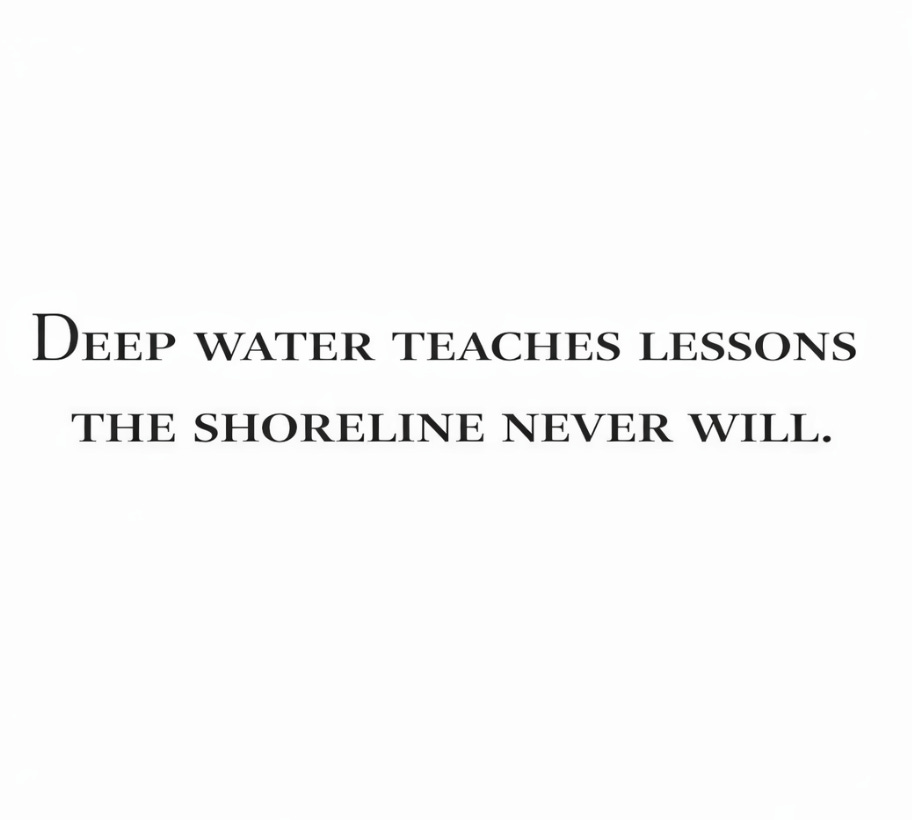
Stretch is critical. Deep water forces you to learn to swim. Being stretched humbles me and I appreciate it. Guys like Big Rich, he could crush me, but he doesn’t and is always very careful when we train. I enjoy working with those guys, because if something happens out on the street… God forbid, but you don’t get to choose your opponent; they choose you. I remember you telling me once that we are preparing each other to confront the worst day of our lives. What a responsibility that is. I don’t take that lightly.
Being in deep water lights up parts of your brain that modern life tends to shut off. We are rewiring an ancient part of our psychology. You walk out of class into a world that looks different. There’s magic in that. I even journal beforehand: “Didn’t sleep well, twitchy, don’t want to go, but I know I’ll feel great after.” And I always do.
My older son is almost nine. Jiu-jitsu changed him—his confidence, his physicality; he has no fear on the soccer field now. He turns up early, focuses during drills, and is a better team player. My younger son is three and already imitates us grappling at home. We get the best conversations walking home after class. The honesty of kids after training is unbelievable.
Q: What makes this gym special?
The culture. The responsibility the higher belts have. Luca’s authenticity. The history on the walls - Helio and Rolls. I’ve trained elsewhere, but nothing compares. People help each other quietly. No one has to announce anything. Luca has built a culture in which, if you have a weight, age, or experience advantage, you have a responsibility to help others. There’s very little intimidation here in a sport that is so obviously intimidating for people.
I want to do this for the rest of my life. Jiu-jitsu makes you face yourself in a way nothing else does. I thought I had it together before jiu-jitsu—I didn’t. Everyone has baggage, yet here we leave it at the door (or bring it onto the mat and work through it). Discipline, restraint, friendships, so many beautiful things jiu-jitsu has brought into my life. It’s self-mastery. That’s what all of this is. Mastering the self.
This is part of a weekly series on the people who make up jiu-jitsu culture.